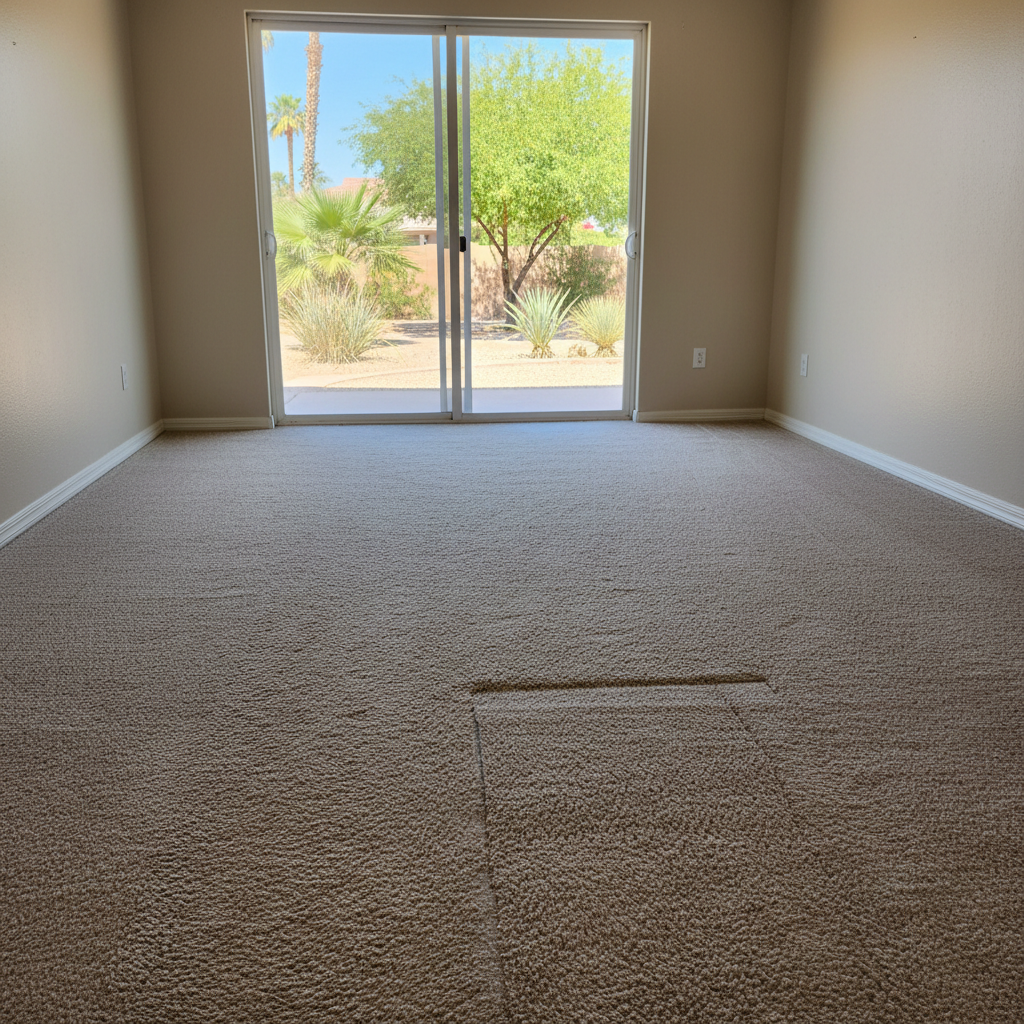
Water on your floors is a major problem, and the first question that usually comes to mind is how much the Water Damage Restoration Service is going to cost to fix. Here in Litchfield Park, where our caliche soil does not absorb sudden leaks and summer monsoon downpours can catch a roof line off guard, Golden State Restoration gets calls all the time from homeowners trying to figure out if a wet carpet can be saved or if they are looking at a massive bill.
Golden State Restoration likes to talk real numbers so you are not left guessing. Most carpet water damage restoration projects in our area range anywhere from $1,200 to $4,500 depending on the scale. If you have just got a minor supply line leak in a single bedroom that was caught within an hour, you might only pay $500 to $1,200 for targeted extraction and drying. But if a water heater lets go in the middle of the night and soaks three rooms, expect that number to climb quickly.
What Actually Drives the Price Up?
Every water loss is different, but a few specific factors dictate what you will see on the invoice:
- Water category: Clean supply line water is the cheapest to treat. Gray water from a dishwasher or washing machine costs more due to required sanitization. Black water from sewage backup requires specialized disposal and replacement.
- Square footage and spread: Water travels under baseboards and into padding fast. Treating one room is vastly different from mitigating an entire open-concept floor plan.
- Equipment rental duration: Drying out a home usually takes 3 to 5 days. High-powered air movers and commercial dehumidifiers running continuously add daily line-item costs.
- Carpet and pad condition: If the cushion underneath is soaked through, it usually has to be cut out and discarded even if the face yarn of the carpet can be saved.
Golden State Restoration believes in keeping things transparent. A proper, professional quote should never just be a vague lump sum. It needs to break down emergency service fees, extraction labor, equipment days, antimicrobial treatments, and any necessary pad replacement or disposal costs.
How to Avoid Overpaying
Insurance can complicate things, but you still need to protect your wallet. Watch out for contractors who refuse to give you an itemized estimate or try to charge exorbitant per-day equipment fees without monitoring moisture levels daily. A reputable tech will take atmospheric readings every single day to prove the equipment is actually doing its job and needs to stay put.
Acting fast is the single best way to keep your costs down. The longer moisture sits in a desert climate, the more it warps subfloors, breeds mold, and turns a simple extraction job into a full-scale reconstruction project. If you are dealing with a soggy mess right now, call Golden State Restoration to get out there fast, stop the secondary damage, and give you a straight answer on what it takes to dry your home out properly.